
The Science Behind Deep Breathing: How It Supports Your Body & Mind
Deep breathing is more than a relaxation technique—it is a proven way to influence your nervous system, hormone levels, and brain function. While the practice feels simple, the body responds in powerful ways. Here’s an easy-to-understand, research-supported look at why deep breathing works so well.
1. Activates the Parasympathetic Nervous System
Slow, intentional breathing stimulates the vagus nerve, which helps regulate heart rate, digestion, and emotional balance. This shifts the body out of “fight or flight” mode and into the parasympathetic, or “rest and digest” state.
Why this matters:
You feel more grounded, heart rate slows, and the mind becomes clearer.
Research:
• Slow breathing increases vagal tone: https://www.ncbi.nlm.nih.gov/pmc/articles/PMC6137615/
• Vagus nerve activation reduces stress responses: https://www.ncbi.nlm.nih.gov/pmc/articles/PMC5239940/
2. Improves Oxygen Delivery Through the Bohr Effect
Deep breathing is not just about taking in more oxygen. It’s about creating the right balance between oxygen and carbon dioxide (CO₂).
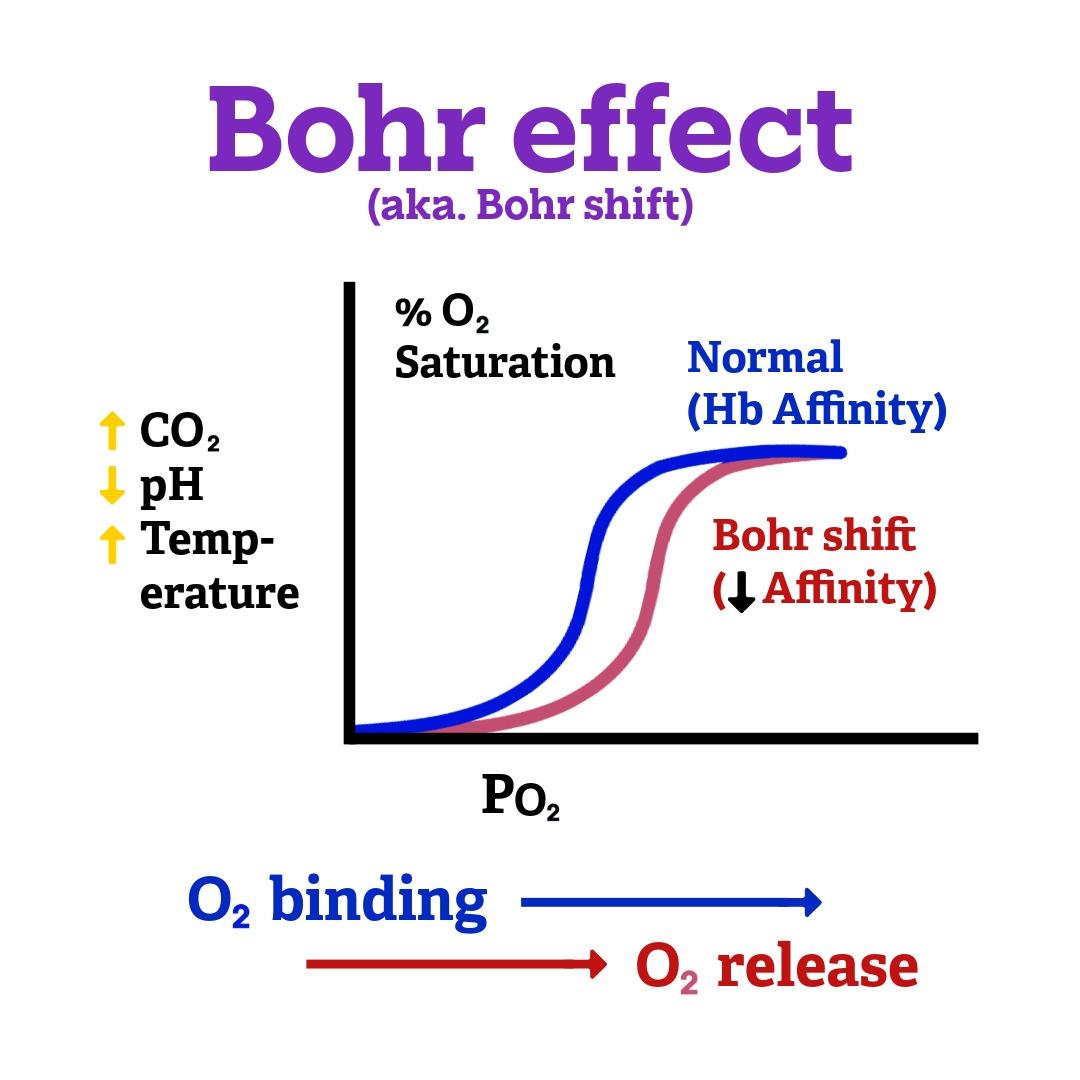
The Bohr Effect (explained simply):
When you breathe too quickly or shallowly, you exhale too much CO₂. Low CO₂ makes it harder for red blood cells to release oxygen to your tissues.
Deep breathing restores healthy CO₂ levels, which allows oxygen to detach and flow more efficiently—especially to the brain.
Research:
• Diaphragmatic breathing improves gas exchange: https://pubmed.ncbi.nlm.nih.gov/15562071/
• CO₂ balance enhances cognitive performance: https://pubmed.ncbi.nlm.nih.gov/28405207/
3. Reduces Stress Hormones
Slow breathing has been shown to decrease cortisol, the body’s main stress hormone. Lower cortisol improves mood, sleep, immune function, and overall recovery.
Research:
• Slow breathing reduces cortisol within minutes: https://pubmed.ncbi.nlm.nih.gov/32624100/
• Breathwork improves autonomic balance: https://www.ncbi.nlm.nih.gov/pmc/articles/PMC5455070/
4. Enhances Focus and Mental Clarity
Your brain uses about 20% of your oxygen supply. Deep breathing increases oxygen flow and improves blood circulation to areas of the brain responsible for attention, emotion, and memory.
Research:
• Slow breathing enhances focus and attention: https://pubmed.ncbi.nlm.nih.gov/27925674/
• Six breaths per minute improves cognitive and emotional regulation:
https://www.ncbi.nlm.nih.gov/pmc/articles/PMC6657616/
5. Reduces Muscle Tension & Improves Posture
Shallow breathing often overuses the neck, chest, and shoulder muscles. Deep diaphragmatic breathing reduces this tension and supports better posture and core stability.
Research:
• Diaphragmatic breathing improves postural stability: https://pubmed.ncbi.nlm.nih.gov/29663947/
• Deep breathing supports lymphatic and circulatory flow: https://pubmed.ncbi.nlm.nih.gov/26504575/
Try This Simple Technique

A research-supported breathing pattern called coherent breathing maximizes calm and nervous system balance.
• Inhale for 5 seconds
• Exhale for 5 seconds
• Repeat for 1–2 minutes
This rhythm helps reduce stress, increase mental clarity, and improve heart rate variability.
Research: https://www.ncbi.nlm.nih.gov/pmc/articles/PMC5709795/
Final Thoughts
Deep breathing is one of the most accessible wellness tools available. It’s quick, free, and creates measurable improvements in both the mind and body. Whether used during a stressful moment or as part of a daily routine, deep breathing supports resilience, clarity, and overall well-being.
Want to learn more? Book a one-on-one session with our Founder, Ute Anonsen, Certified Breathwork Facilitator and Breath Coach. Still need more info or interested in exploring all our breathwork options? Call us at 678-857-3484, so we can discuss breathwork with you in greater detail.